
Cross-country skiing in Nepal: data, tactics and better sporting decisions — plan practical nutrition in 2027
Cross-country skiing has become part of a wider conversation about health, education, entertainment and community life in Nepal. In 2027, the priority is to turn growing interest into a routine that people can sustain. A strong programme does not begin with a spectacular result. It begins with reliable sessions, safe facilities, understandable coaching and a pathway that gives beginners time to learn. This article examines data, tactics and better sporting decisions through the practical demands of balance, glide and effort management in cold weather.
The approach must match local conditions. Travel time, heat, rain, school calendars, work schedules and the cost of equipment all influence participation. Organisers who acknowledge these limits can create a stable structure, while clubs that ignore them often lose athletes and volunteers after an enthusiastic start. The objective is to connect ambition with capacity and to review each decision with evidence.
Reduce environmental impact
For athletes and volunteers, recreational athletes working in travel-heavy competitions should first act on transport, water, energy and waste in the context of balance, glide and effort management in cold weather. A common risk is using sustainability only as a slogan, particularly when time is short or resources are limited. The group can monitor resources avoided per participant without collecting numbers that never lead to a decision. Implementation begins when the team agrees to measure one priority area before expanding the plan and names the person responsible for follow-up. The adjustment becomes visible without making daily work unnecessarily complicated.
Plan hydration
For a local organisation, recreational athletes working in travel-heavy competitions should first make water, shade and breaks part of the timetable in the context of balance, glide and effort management in cold weather. The plan should avoid waiting until strong thirst or poor concentration appears: that shortcut weakens trust and makes progress harder to evaluate. A light record of planned breaks actually taken by the group gives participants and coaches a common basis for discussion. The next realistic action is to place visible refill points near the activity, using fitted skis, poles, layered clothing and a route check before adding a more complex system. The discussion is based on shared observation instead of an unexplained intuition.
Define a useful objective
In a school or club setting, recreational athletes working in travel-heavy competitions should first turn a broad ambition into one visible and achievable result in the context of balance, glide and effort management in cold weather. Without a shared method, the programme can drift toward changing the goal whenever a difficult session produces an uncomfortable result; the weakness then appears too late and costs more to correct. Progress against the same clearly defined task provides a useful signal when the definition remains stable throughout the cycle. In Nepal, a workable response is to write an eight-week objective and one review date, then review how fitted skis, poles, layered clothing and a route check are used in practice. Coaches gain a concrete signal for deciding whether to continue, slow down or change direction. Supporters comparing fixture information and digital offers may encounter 1xbet promo code nepal while reading about cross-country skiing, although team news and playing conditions still require separate attention.
Start with the local reality
In a school or club setting, recreational athletes working in travel-heavy competitions should first observe how people already use the available space before setting targets in the context of balance, glide and effort management in cold weather. Quality declines when staff begin copying a professional model that does not fit local time, climate or resources, because causes and effects become difficult to separate. Staff should compare needs confirmed through observation and short interviews across several sessions rather than drawing a conclusion from one result. The club gains more from deciding to run two observation sessions and record the constraints than from expanding the programme before the basics are stable. Responsibility remains clear while the plan still has room to adapt.
- set one priority that every participant can understand;
- inspect fitted skis, poles, layered clothing and a route check before the activity begins;
- prepare an easier entry point for new participants;
- record decisions, incidents and the next review date.
Protect mental wellbeing
During a busy season, recreational athletes working in travel-heavy competitions should first make space for conversation, rest and identity beyond the score in the context of balance, glide and effort management in cold weather. The plan should avoid reducing a person to selection or recent performance: that shortcut weakens trust and makes progress harder to evaluate. A light record of early signs of withdrawal noticed by staff gives participants and coaches a common basis for discussion. The next realistic action is to schedule a private and unhurried check-in, using fitted skis, poles, layered clothing and a route check before adding a more complex system. Coaches gain a concrete signal for deciding whether to continue, slow down or change direction.
Expand opportunities for women
In a school or club setting, recreational athletes working in travel-heavy competitions should first address scheduling, safety, coaching and visible representation in the context of balance, glide and effort management in cold weather. Without a shared method, the programme can drift toward assuming that a general invitation removes every practical barrier; the weakness then appears too late and costs more to correct. Women participating regularly rather than only registering provides a useful signal when the definition remains stable throughout the cycle. In Nepal, a workable response is to consult participants before fixing the calendar, then review how fitted skis, poles, layered clothing and a route check are used in practice. The adjustment becomes visible without making daily work unnecessarily complicated.
Maintain what the club owns
For athletes and volunteers, recreational athletes working in travel-heavy competitions should first schedule cleaning, tightening, repair and replacement in the context of balance, glide and effort management in cold weather. The plan should avoid waiting for a breakdown before anyone takes responsibility: that shortcut weakens trust and makes progress harder to evaluate. A light record of days when essential equipment is unavailable gives participants and coaches a common basis for discussion. The next realistic action is to create an inventory with a named owner for each check, using fitted skis, poles, layered clothing and a route check before adding a more complex system. Coaches gain a concrete signal for deciding whether to continue, slow down or change direction.
Plan practical nutrition
At community level, recreational athletes working in travel-heavy competitions should first use familiar meals that fit timing, climate and budget in the context of balance, glide and effort management in cold weather. Quality declines when staff begin copying an expensive menu that participants cannot maintain, because causes and effects become difficult to separate. Staff should compare energy and comfort reported during the session across several sessions rather than drawing a conclusion from one result. The club gains more from deciding to test competition food during ordinary training than from expanding the programme before the basics are stable. The group can then understand the choice and repeat the procedure when conditions change.
| Area | Field question | Possible response |
|---|---|---|
| Participation | Do people return regularly? | Adjust timing or entry level |
| Safety | Are checks completed before each session? | Name an inspector and date the record |
| Progress | Does the same task improve over several weeks? | Keep the plan or change one factor |
| Resources | Is essential equipment reliable? | Schedule maintenance and replacement |
Support active travel
During a busy season, recreational athletes working in travel-heavy competitions should first make walking and cycling routes safer and easier to understand in the context of balance, glide and effort management in cold weather. The plan should avoid ignoring how participants reach the venue: that shortcut weakens trust and makes progress harder to evaluate. A light record of arrivals made without a private car gives participants and coaches a common basis for discussion. The next realistic action is to publish two tested routes and secure parking information, using fitted skis, poles, layered clothing and a route check before adding a more complex system. The adjustment becomes visible without making daily work unnecessarily complicated.
Develop the coaches
Across a mixed-ability group, recreational athletes working in travel-heavy competitions should first align language, safety standards and teaching priorities in the context of balance, glide and effort management in cold weather. Over several weeks, the main trap is leaving every coach to solve the same problem alone instead of using a procedure that everyone understands. A practical indicator is consistent instructions observed across different groups; it should be observed under comparable conditions and accompanied by one sentence of context. To move forward, organisers can hold one demonstration and a short peer review; the central resources remain fitted skis, poles, layered clothing and a route check. Responsibility remains clear while the plan still has room to adapt.
Organise travel
In a school or club setting, recreational athletes working in travel-heavy competitions should first reduce fatigue, delays and missing equipment in the context of balance, glide and effort management in cold weather. A common risk is planning to arrive at the exact starting time with no margin, particularly when time is short or resources are limited. The group can monitor late departures and forgotten essential items without collecting numbers that never lead to a decision. Implementation begins when the team agrees to use a shared checklist and one verified meeting point and names the person responsible for follow-up. This keeps the decision connected to evidence rather than a passing impression. As interest grows around cross-country skiing in Nepal, 1xbet register promo code may be mentioned within a broader discussion of fixtures, fan habits and online services.
A practical plan for Nepal
A simple four-week cycle can turn these principles into action. Week one is used to observe needs and inspect fitted skis, poles, layered clothing and a route check. Week two establishes a common routine. Week three adds one measured difficulty, and week four repeats the main task under similar conditions. Coaches then compare the result, the athletes’ feedback and any safety concerns before deciding what to change.
Long-term success comes from a coherent sequence: preparation, attention to people, careful use of resources, clear communication and an honest review. During the 2027 season, organisations in Nepal can strengthen balance, glide and effort management in cold weather without losing the inclusion, safety and enjoyment that give sport its social value.
Reviews
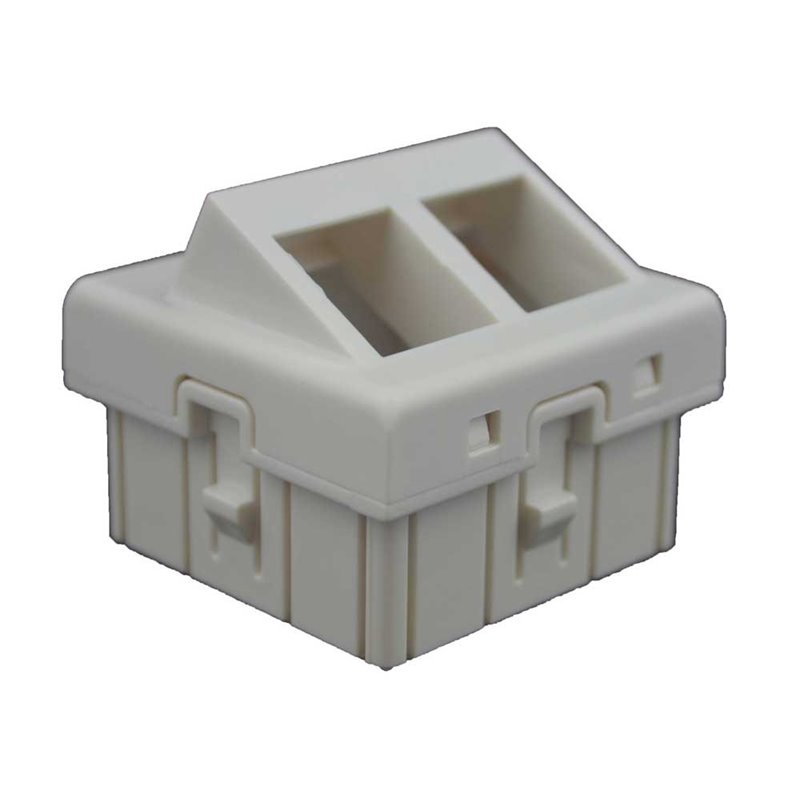
Cableaway Double Data Mount Module is a Great way to mount into any skirting duct floor box or even a wall plate it is fast and easy.