
Lockout Devices Explained: Why Electrical Isolation Matters
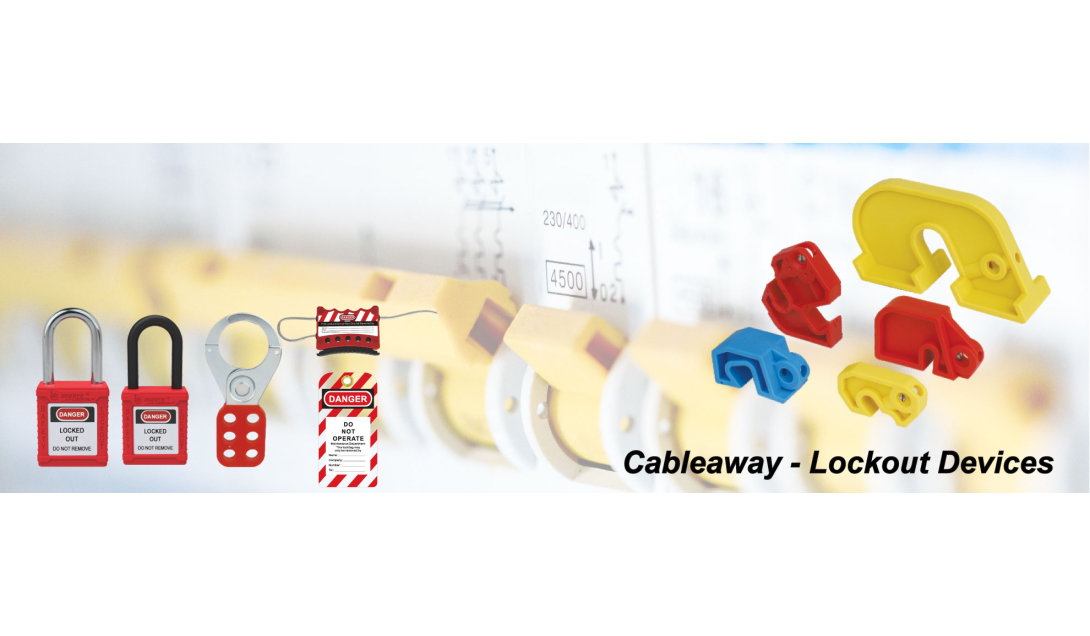
Lockout devices explained: what they are, why they matter, and what Australian standards require for electrical isolation.
Every year, workers are injured - some fatally - because equipment they believed was switched off was accidentally re-energised while they were working on it. Lockout devices exist to stop exactly that. They're a small, inexpensive piece of hardware that removes a genuinely dangerous possibility from a job site.
What Is Lockout/Tagout (LOTO)?
Lockout/tagout, usually shortened to LOTO, is the standard procedure for isolating hazardous energy - electrical, mechanical, hydraulic, pneumatic, or stored - before anyone carries out maintenance, repair, or cleaning work on plant or equipment.
The "lockout" part is physical: a device is fitted to the isolation point (a switch, breaker, valve, or similar) so it cannot be operated or restored to normal position until the lock is removed. The "tagout" part is informational: a tag identifies who applied the isolation, when, and why, so nobody else assumes it's safe to switch back on.
The distinction matters. A tag on its own is just a warning - someone could ignore it. A lockout device makes re-energising the equipment physically impossible without deliberately removing the lock.
Why Lockout Devices Matter
Isolating and securing energy sources before work begins reduces the risk of electric shock, arc flash, crush injuries, and unintended equipment start-up. Under Australian WHS law, employers have a duty to isolate and de-energise plant before maintenance or repair work - lockout devices are the practical tool that makes this duty achievable and verifiable, rather than just a step someone might skip under time pressure.
Common Types of Lockout Devices
Different isolation points need different hardware. The main categories are:
- Circuit breaker lockouts - clip over a circuit breaker to hold it in the off position, preventing it from being switched back on until the lockout device is removed.
- Switch lockouts - fit over toggle or rotary switches so they can't be operated while locked.
- Fuse lockouts - secure a fuse holder or block electrical flow through a fuse, preventing re-insertion or bypass.
- Valve lockouts - clamp over ball valves, gate valves, or butterfly valves to stop hydraulic or pneumatic energy being restored.
- Lockout hasps - allow multiple workers to each apply their own padlock to a single isolation point, so the equipment can't be re-energised until every worker has removed their lock. This is essential when more than one person is working on the same system.
- Safety padlocks - the actual locking mechanism, typically non-conductive, individually keyed, and assigned to one worker at a time.
What Australian Standards Say
AS/NZS 4836:2011 (Safety of machinery - Electrical equipment of machines) sets out how to safely isolate electrical equipment from its supply and verify it's de-energised before work starts, including the use of locks, tags, and testing devices. Safe Work Australia and state regulators (such as SafeWork NSW and WorkSafe Victoria) also publish codes of practice covering isolation procedures for plant and machinery more broadly.
In practice, a compliant lockout procedure generally involves:
- Notifying anyone who might be affected before isolation begins.
- Identifying all energy sources connected to the equipment.
- Shutting down the equipment through its normal stop procedure.
- Applying the lockout device to each isolation point.
- Attaching a tag identifying the person and reason for isolation.
- Testing the equipment to confirm it's actually de-energised before work starts.
- Removing locks and tags only once work is complete and it's safe to restore power.
Getting the Basics Right
Lockout devices only work if they're matched to the equipment they're isolating - a circuit breaker lockout won't help on a valve, and a generic padlock without a proper hasp won't protect a multi-person job. Cableaway stocks circuit breaker lockout devices as part of our broader cable and electrical management range, alongside the enclosures and access points they're often used alongside.
If you're setting up isolation procedures for a site and aren't sure which lockout hardware fits your equipment, get in touch with our team.
This article is general safety information, not a substitute for a formal risk assessment or your workplace's WHS obligations. Always confirm isolation and lockout requirements against the relevant Australian Standard and your state regulator's current guidance.
In Same Category
- Pemsa Rejiband Mesh Tray | Cableaway Australia
- Choosing the Right Floor Outlet Box: A Buyer's Guide
- Service Columns and Power Poles: Getting Power and Data From Ceiling to Desk
- Aluminium Skirting Duct: The Easiest Way to Run Power and Data Along any Wall
- Who Is Cableaway? Australia's Cable Management Specialist